
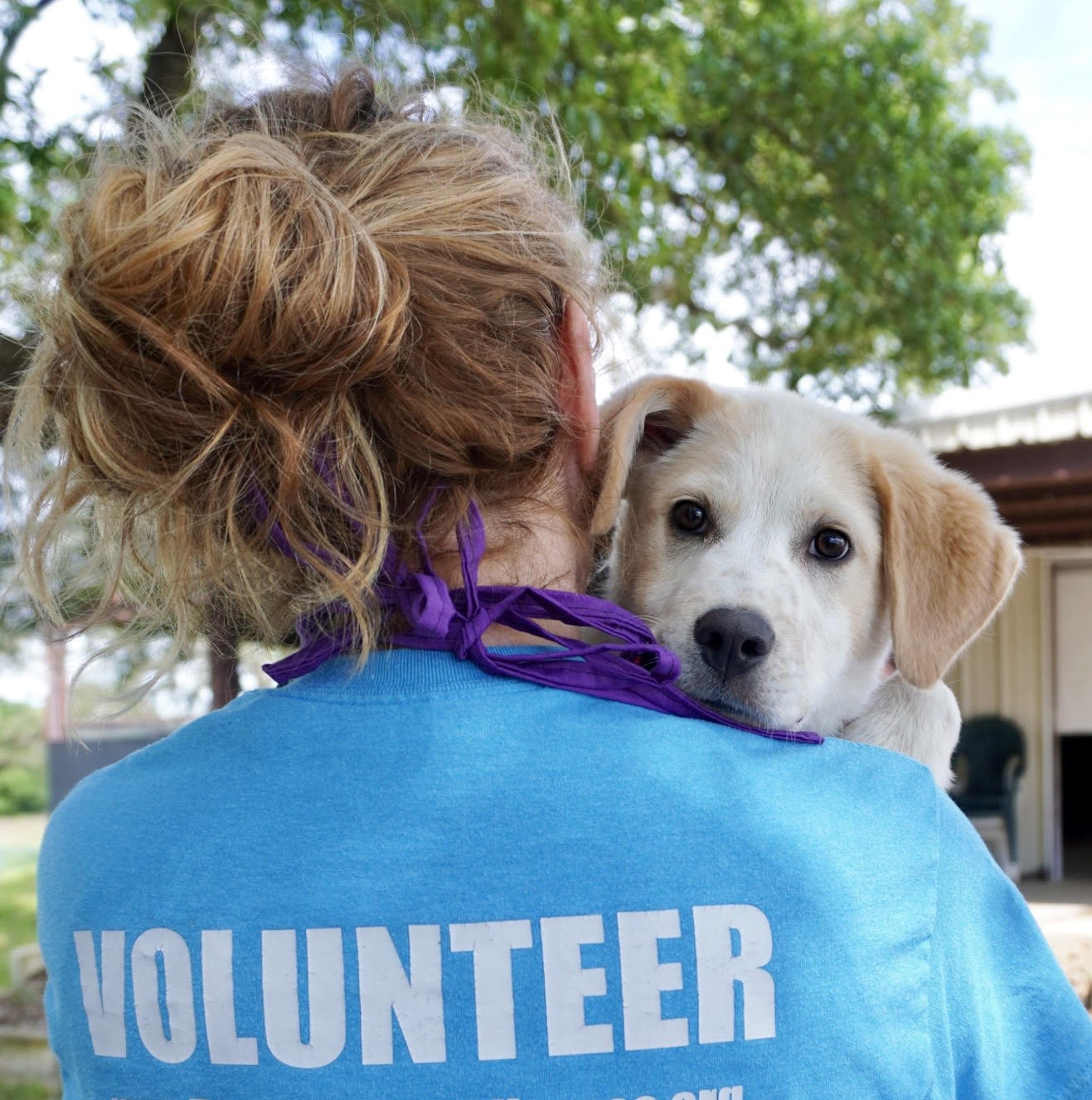
A volunteer who spent over $12,000 of her own money fostering cats won the right to deduct it in U.S. Tax Court — but the ruling also revealed exactly where her rescue organization's own paperwork fell short. The lesson applies to every rescue with a foster network today.
If you run an animal rescue or shelter anywhere in Frederick County or central Maryland, your foster network is the backbone of how you operate — and it comes with real recordkeeping responsibilities that fall on your organization, not just on the volunteers who open their homes.
In a landmark 2011 U.S. Tax Court case, a volunteer who fostered dozens of cats for a California rescue organization successfully deducted thousands of dollars in unreimbursed expenses — food, veterinary care, and supplies — as charitable contributions. The court's reasoning was straightforward: because the animals remained the rescue's property while fostered, and the volunteer was supporting the organization's mission rather than caring for her own pets, those costs counted as support of the charity itself, not personal expenses.
This case is now the standard reference point establishing that genuine foster expenses are deductible. But it's worth knowing the part of her claim that didn't survive: any individual expense of $250 or more was denied, not because it wasn't a legitimate cost, but because she lacked a timely written acknowledgment letter from the rescue organization documenting it. That detail is the part rescue organizations themselves are responsible for today.
A foster volunteer can keep perfect receipts and still lose the deduction on larger expenses if your organization never provided the required acknowledgment letter. This makes your rescue's documentation practices just as important to your fosters' finances as your own.
For any single foster-related expense of $250 or more, the foster needs a contemporaneous written acknowledgment from your organization describing the support provided and confirming it wasn't reimbursed. A general statement at the end of the year covering smaller, frequent expenses is helpful, but doesn't substitute for that specific threshold requirement on larger individual costs — an emergency vet bill, a major medical procedure, a large bag of prescription food bought repeatedly.
| Foster Expense | Documentation Needed |
|---|---|
| Routine food and supplies under $250 total | Foster's own receipts and a basic log |
| A single veterinary bill of $250 or more | Written acknowledgment letter from your rescue, provided in a timely manner |
| Mileage driven to rescue events or transports | Foster's own mileage log; acknowledgment helpful for large totals |
Building a simple, consistent process — a template acknowledgment letter your treasurer or foster coordinator can issue whenever a documented expense crosses that threshold — protects your fosters' ability to claim deductions they've genuinely earned, and it's a real, tangible way your organization supports the volunteers who make foster-based rescue possible in the first place.
Many rescues receive discounted or pro bono veterinary care from partner clinics. This kind of in-kind support has genuine value and is worth recognizing in your financial statements, since it reflects real resources flowing into your mission even though no cash changed hands. The general approach is to record the fair market value of the donated services as both an in-kind contribution (revenue) and a corresponding program expense, which keeps your financials honest about the true scope of your operations without overstating your cash position.
Adoption fees are generally treated as program service revenue tied directly to your exempt mission — placing animals in homes — rather than unrelated business income, since the activity is squarely within what your organization exists to do. Separate donations, whether unrestricted or designated for a specific medical fund or named animal, should be tracked distinctly in your books, both because donor-restricted funds carry their own accounting obligations and because a clear separation between earned program revenue and contributed income gives a more accurate financial picture for your board and for grant applications.
A foster-based rescue's true cost per animal is genuinely harder to see than a traditional shelter's, since significant costs — food, basic supplies, day-to-day care — are absorbed by individual foster homes rather than running through the organization's own books. Even where you don't reimburse these costs, understanding their real scope matters for grant reporting, for setting adoption fees that reasonably reflect your actual cost of care, and for giving your board an honest picture of what the organization's mission actually costs to carry out.
At Mercer Flanagan, we work with animal rescues and shelters throughout Frederick County and central Maryland to build a simple acknowledgment letter process for foster volunteers, properly value and record in-kind veterinary donations, and keep adoption fee revenue cleanly separated from contributions.
Book a free consultation and we'll walk through your specific situation — no pressure, no obligation.
Book a Free ConsultationGenerally yes, if the expenses are genuinely unreimbursed, support animals that remain the rescue's property, and your organization is a recognized 501(c)(3). This was specifically affirmed in a 2011 U.S. Tax Court case involving a foster volunteer.
For any single expense of $250 or more, the IRS requires a timely written acknowledgment from the charity before the foster can deduct it. Without that letter, even well-documented expenses can be denied, regardless of how complete the foster's own receipts are.
Yes, generally at fair market value, recorded as both in-kind revenue and a corresponding program expense. This reflects the true value of support flowing into your organization, even when no cash is involved.
By Roy Cogliandolo, CPA · Mercer Flanagan · April 24, 2026
This article is for general informational purposes and reflects practices current as of 2026. Charitable deduction rules depend on specific facts and documentation — speak with a CPA before making decisions based on this information.